


College Blog
In 2024, I lost my mother to lung cancer. Ivy Bell was a strong, proud, and highly educated Cree woman. During the last year of her life, she spent much time in and out of hospital and I witnessed second-class Indigenous treatment firsthand.
My mother had little tolerance for injustice or inequity, and more than one clinician learned she wasn’t afraid to speak up when something was wrong. Watching her advocate for herself made me wonder about the Indigenous patients who didn’t have her confidence, courage, or conviction…
Would they leave and never return? Would treatable conditions become chronic? Would they die too soon?
Why Should We Care About Indigenous Reconciliation in Physiotherapy?
In Alberta, where I live, recent data from Alberta Health showed that in 2023, First Nations Albertans had an average life expectancy of 62.81 years, compared with 81.88 years for non-First Nations Albertans; a 19-year gap. That gap is not simply a statistic. It is a measure of inequity, mistrust, grief, and systems that desperately need reform.
Indigenous people have a right to be cautious, guarded, or distrustful when entering health-care spaces. That distrust did not happen in a vacuum, and it should not be mistaken for resistance, non-compliance, or lack of interest in getting better. It is often a reasonable response to generations of colonial harm, residential schools, segregated health care, racism, child apprehension, dismissal of pain, and preventable deaths in systems that were supposed to help.
And it’s not just about Canada’s dark colonial history. In Alberta, a study led by my University of Alberta colleague Dr. Patrick McLane examined more than 11 million emergency department visits from 2012 to 2017. The study found that First Nations patients were assigned lower-acuity triage scores than non-First Nations patients with the exact same diagnosis. The National Collaborating Centre for Indigenous Health summarized the study findings and pointed to systemic racism and stereotyping as possible contributors.
Across Canada, there are clear examples of how the current state can have tragic consequences. Brian Sinclair, an Indigenous man and double amputee, died in 2008 after waiting for 34 hours in an emergency department in Winnipeg. A Manitoba report later concluded his death resulted from a bladder infection that should have been treated in the emergency department. Joyce Echaquan, a 37-year-old Atikamekw woman, died in 2020 at a Quebec hospital. Serious concerns were raised about the lack of care Mrs. Eshaquon received after a video recording surfaced, in which her nurses said horribly racist things to her as she died. In Saskatchewan, Trevor Dubois of Muskoday First Nation died in 2026 at Saskatoon’s Royal University Hospital after an altercation with security while receiving cancer treatment.
These are not isolated stories to Indigenous families. They are part of the lived context patients may carry into every health-care appointment, including physiotherapy.
Reconciliation in Physiotherapy
Reconciliation in physiotherapy is not about making individual physiotherapists feel guilt or shame. Guilt and shame are the enemies of reconciliation because they shut conversations down before they begin.
To be realized, reconciliation requires more conversation, not less. It asks health professionals to understand the past, acknowledge the present, and accept that health care is one of the places where reconciliation is needed most urgently.
Trauma-Informed Care in Physiotherapy
For physiotherapists, reconciliation is not abstract. It shows up in the waiting room, in the assessment room, in how consent is obtained before touch, in how pain is believed, and in whether a patient feels safe enough to return.
Trauma-informed physiotherapy begins with the assumption that many patients may carry personal, intergenerational, medical, or systemic trauma. It means organizing care around safety, trust, choice, collaboration, and empowerment. It does not mean lowering clinical standards. It means delivering good clinical care in a way that reduces fear, confusion, shame, and loss of control.
Building Trust Through Communication and Understanding
Communication and understanding are critical to trauma-informed care. When a patient is quiet or not engaging, the clinician should avoid assuming indifference. Silence may mean the patient is assessing whether the provider is safe. It may reflect anxiety, previous negative experiences, fear of judgment, discomfort with direct questioning, or a cultural preference for listening before speaking.
A trauma-informed response is to slow down: “We can go at your pace. I’ll explain what I’m doing before I do anything, and you can stop me at any time.” Silence can be communication.
Some Indigenous patients may not want to make immediate decisions during an appointment. This should not be framed as indecision. They may want to speak with family, consult an Elder, pray, reflect, or consider travel, cost, and trust.
Trauma-informed consent is not rushed. A useful phrase might be: “You do not have to decide today. Take the time you need, and we can talk again when you are ready.”
A care plan is more likely to be followed when it is co-designed, and that thinking should extend to the exercises chosen. Instead of prescribing a perfect program, ask: “Which of these feels realistic this week?” One exercise the patient believes they can do is better than five they will never start.
When patients do not respond quickly to requests for follow-up, clinics still need boundaries, but those boundaries can be compassionate. Lack of response may reflect unstable phone access, limited minutes, changing numbers, grief, travel, housing instability, or mistrust. Confirm the best contact method, explain why follow-up matters, and avoid messages that sound paternal or punitive.
Some patients may use social media apps to communicate with the clinician because they’re familiar and accessible. The response should not be shame. It should be warm redirection: “I’m glad you reached out. But because your message involves health information, I can’t discuss your care over social media. Here is the secure way to contact us. We want to protect your health information.”
Privacy expectations still apply, but culturally safe care recognizes that secure systems must also be accessible.
Supporting Indigenous Families
Involving family members in care should be guided by the patient. In many Indigenous families, decision-making may be relational.
Access to care is frequently facilitated by a relative, so a patient may want a spouse, parent, auntie, adult child, Elder, or support worker involved. Do not guess. Ask: “Who would you like included in conversations about your care?” and “What information are you comfortable with me sharing?”
Consent should be specific, documented, and revisited.
Recognizing and Addressing Indigenous Barriers to Care
When there is difficulty getting buy-in for exercises, the question should shift from “Why won’t this patient comply?” to “What is getting in the way?”
Does the patient have privacy, space, time, transportation, phone access, pain, caregiving responsibilities, or trust in the plan?
Distance from care creates barriers to access. Virtual physiotherapy might be an option for helping patients in rural and remote communities, but only if it accounts for internet reliability, privacy at home, device access, digital literacy, local supports, and whether hands-on assessment is clinically necessary. For some patients, telephone follow-up may work better than video. For others, care may need coordination with community health staff, family supports, or periodic in-person appointments. The fact that a person lives on a First Nation should not be a reason for not engaging local community health services, it should underscore the importance of it.
When patients arrive outside appointment times, staff can protect clinic flow without embarrassing the patient. Speak privately, explain the options, and help problem-solve where possible. For patients travelling long distances or relying on others for transportation, flexibility may be the difference between receiving care and going without it.
An Opportunity for Physiotherapy to Lead the Way
Reconciliation in physiotherapy is not a single workshop or land acknowledgement. It is the daily discipline of replacing judgment with the curiosity necessary for understanding.
Complaints from Indigenous patients are not attacks on physiotherapists. They are opportunities to improve care. The work is not about guilt. It is about responsibility, humility, and building health-care spaces where Indigenous patients and families are believed, respected, and safe.
Most of us got into health care to make a difference and improving Indigenous patient care is undoubtedly an opportunity to do so.
While I saw glaring examples of health inequity in my mother’s care, I also saw moments of passionate empathetic care, shining examples of reconciliation in action at a clinical level, and that gave me hope; hope that things can change and a belief that reconciliation in health care is possible. I hope you take time to reflect on your practice, and I hope you choose to lead by example, so that others follow your footsteps on the road to reconciliation.
About the Author
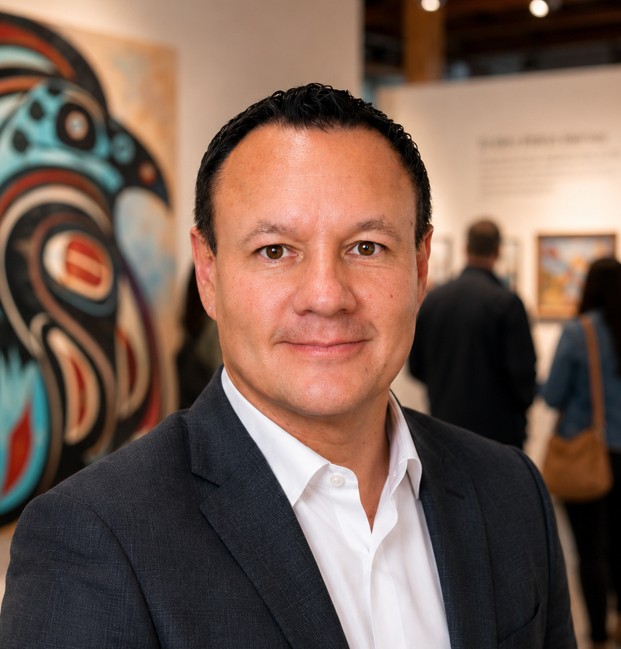
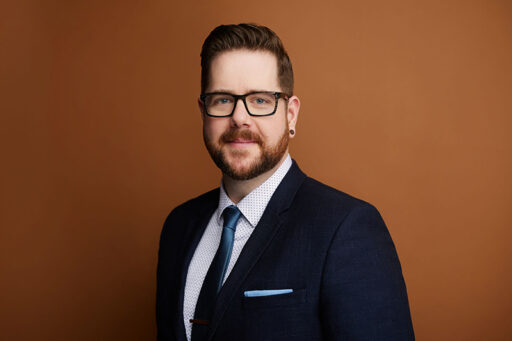
Randal Bell (Asiniy Maskwa) is a public health expert and a member of Montreal Lake Cree Nation in Treaty 6 territory. Randal has held various executive leadership roles in health and social care in Canada, New Zealand and the United Kingdom.
He is currently the executive director of Stone Bear Recovery Solutions, a consultancy that helps Nations and organizations build Indigenous recovery systems.
Additional Resources
Resources to Support Practice and Ongoing Learning for Culturally Safe Care
This collection of tools, courses, and practical documents, developed by physiotherapy professionals and health-care workers across Canada, is designed to support culturally safe care and health equity. Many of the resources were created in collaboration with Indigenous Elders, Knowledge Keepers, and communities. The list was curated by the Canadian Physiotherapy Association in partnership with members of the Global Health Division’s Indigenous Health Subcommittee and Dr. Stacey Lovo.
Indigenous Cultural Safety, Cultural Humility and Anti-Racism: Practice Standard Pocket Guide
This short guide from the College of Physical Therapists of British Columbia outlines practical actions physiotherapists can take to provide culturally safe and anti-racist care for Indigenous patients. It covers self-reflective practice, strengths-based and trauma-informed approaches, and physiotherapists’ role in creating healthcare spaces where the holistic needs of Indigenous patients are met.
Indigenous Health and Wellness, Advocacy, and Allyship Course
In this course from Athabasca University students will learn about systemic anti-Indigenous racism and discrimination in health care along with strategies for becoming an authentic ally and confronting health and social inequities.
Topics range from exploring what it means to be Indigenous to specific Calls to Action focused on health care.
Support is available for survivors of residential schools and their family members. Access emotional support and crisis referral services by calling the 24-hour National Indian Residential School Crisis Line at 1-866-925-4419.




Share Your Thoughts